
Independent CAR-T service window
CAR-T cell therapy review for international patients
Novacare supports international patients and families with CAR-T record organization, target-testing review, specialist communication, treatment-readiness preparation, and follow-up coordination for selected CD19, BCMA, and Claudin18.2 cellular therapy directions.
Clinical positioning
CAR-T is a customized cellular therapy pathway, not a package.
CAR-T therapy collects a patient's own T cells, introduces a chimeric antigen receptor, expands the modified cells outside the body, and reinfuses them under medical supervision. The treatment route depends on tumor type, antigen expression, disease burden, previous therapy, infection status, organ function, and post-infusion monitoring capacity.
Mechanism
CAR-T cells are designed to recognize, pursue, and expand against tumor cells.
The mechanism is different from conventional antibodies or chemotherapy. The engineered T cells can bind a target antigen, activate internal signaling, proliferate in the body, and support immune surveillance when the patient is suitable.
Direct recognition and killing
The receptor structure allows CAR-T cells to recognize tumor cells carrying a selected antigen, then activate cytotoxic immune activity against those cells.
Active trafficking toward disease sites
CAR-T cells are living immune cells. Their activity is reviewed together with tumor burden, microenvironment, prior treatment, and patient immune status.
Expansion and immune memory
After infusion, activated CAR-T cells may expand and persist for a period of time. Duration varies by product, patient biology, and disease status.
Treatment workflow
A CAR-T route is built around screening, cell collection, manufacturing, infusion, and follow-up.
The family should understand the full chain before travel. Each stage has medical conditions, timing requirements, and safety checkpoints.
Patient screeningDiagnosis, target expression, disease burden, infection status, organ function
Cell collectionLeukapheresis, venous access review, sample handling and transport
Cell manufacturingT-cell activation, gene transfer, expansion, quality control and release
Patient preparationBridging therapy, lymphodepletion, admission planning and monitoring setup
CAR-T infusionReinfusion under specialist supervision with CRS / ICANS monitoring
Long-term follow-upResponse review, blood counts, infection prevention, relapse-risk monitoring
Visit environment
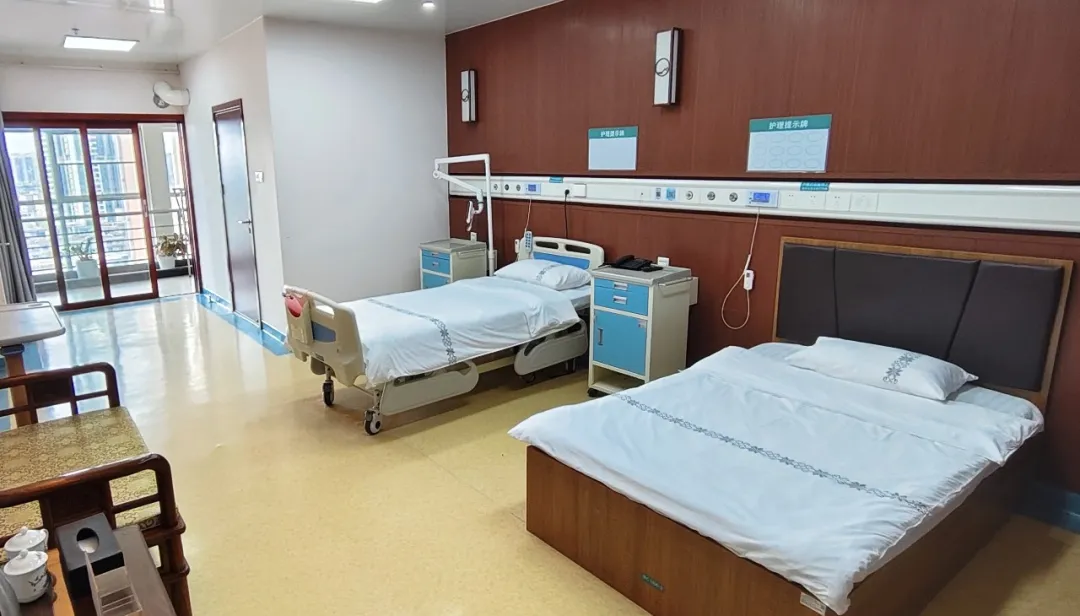
A closer look at the care setting patients may encounter.
Help families view the hospital environment in advance, including ward space, clinical rooms, consultation areas, and arrival surroundings. Final room type and access arrangements depend on the receiving medical institution.

Placeholder image for the ward setting. It helps families understand the general atmosphere of inpatient observation, daily care, and family accompaniment before real visit photos are confirmed.


Core treatment directions
Three target families used in CAR-T route review
Novacare helps families clarify which CAR-T target direction should be discussed first, what records are needed, and which safety questions should be reviewed before provider communication. Clinical benefits are discussed only after specialist review and are not presented as individual outcome promises.
China-developed CD19 CAR-T for B-cell malignancies
CD19 CAR-T programs are reviewed for selected relapsed or refractory B-cell tumors, including adult lymphoma, mantle cell lymphoma, and B-cell acute lymphoblastic leukemia when approved-product indications and target testing are relevant.
- Humanized targeting structures are discussed for persistence, immunogenicity, and relapse-risk questions.
- Closed domestic manufacturing systems may shorten waiting time for suitable patients compared with some international access routes.
- Reported cohort data describe objective response ranges around 73% to 92% in selected relapsed or refractory B-cell cohorts.
- Asian clinical data can be relevant for East Asian and Southeast Asian patients seeking cross-border review.
- Dual-target strategies may be discussed when antigen-loss relapse is part of the clinical concern.
BCMA CAR-T for relapsed or refractory multiple myeloma
BCMA CAR-T is reviewed for selected patients with relapsed or refractory multiple myeloma after multiple prior treatment lines, especially after exposure to proteasome inhibitors and immunomodulatory drugs.
- Fully human targeting design is reviewed for anti-drug antibody concerns and T-cell persistence.
- Published cohort summaries describe response ranges in heavily pretreated myeloma populations, with deep MRD-negative response in selected cohorts.
- Review can include high-risk mutations, extramedullary disease, prior relapse, cytopenia risk, and bone marrow reserve.
- Preconditioning intensity, CRS risk, neurotoxicity risk, infection control, and post-infusion monitoring remain central medical questions.
Claudin18.2 CAR-T for selected advanced gastric cancer
Claudin18.2-directed CAR-T is a solid-tumor cellular therapy direction for selected CLDN18.2-positive, HER2-negative advanced gastric or gastroesophageal junction adenocarcinoma after prior treatment failure.
- CLDN18.2 is enriched in selected gastric cancer tissue and is reviewed as a precision target after validated expression testing.
- The direction is relevant for advanced gastric cancer and peritoneal metastasis questions in East and Southeast Asian populations.
- Specialist discussion focuses on target positivity, tumor burden, previous systemic treatment, ascites, nutrition, infection risk, and performance status.
- Clinical benefit varies by patient. Suitability requires full medical review and cannot be determined from target name alone.
Commercial program map
Approved CAR-T options mapped by target and indication
Novacare organizes approved-product information, target direction, indication scope, and published outcome summaries so families can prepare focused questions for specialist consultation. Population-level data are used for discussion only and do not predict an individual result.
Program
Enterprise
Target
Approval time
Indication
Reported outcomes
Axicabtagene Ciloleucel InjectionYescarta
Fosun Kite
CD19
June 2021
Adult relapsed or refractory large B-cell lymphoma after second-line or later systemic therapy, including DLBCL-NOS, PMBCL, high-grade B-cell lymphoma, and transformed follicular lymphoma; also selected LBCL refractory to first-line immunochemotherapy or relapsing within 12 months.
Published cohort summaries report ORR 83.2%, CR 58.4%, and 12-month OS 84.3% in selected relapsed or refractory LBCL data.
Relmacabtagene Autoleucel InjectionRelma-cel
JW Therapeutics
CD19
September 2021
Adult relapsed or refractory large B-cell lymphoma after second-line or later therapy; adult relapsed or refractory follicular lymphoma grades 1-3a; adult relapsed or refractory mantle cell lymphoma after BTK inhibitor treatment.
Published cohort summaries report ORR 77.6% and CR 53.5%, with 6-month OS 90.8%, 6-month PFS 54.2%, median PFS 7.0 months, and 2-year OS 69.3% in reported cohorts.
Inaticabtagene Autoleucel InjectionCD19 CAR-T
Juventa Therapeutics
CD19
November 2023; LBCL expansion November 2025
Adult relapsed or refractory B-cell acute lymphoblastic leukemia, plus adult relapsed or refractory large B-cell lymphoma after second-line or later treatment in the expanded pathway.
Reported B-ALL data describe 3-month IRC-assessed ORR 65.8% and CR 52.6%, investigator-assessed ORR 81.6%, MRD negativity 92.0%, and 12-month RFS 60.7%. A small LBCL transplant cohort reports ORR 92% and CR 72%.
Equecabtagene Autoleucel InjectionFucaso
IASO Biotherapeutics / Innovent Biologics
BCMA
June 2023
Adult relapsed or refractory multiple myeloma after three or more prior lines of therapy, including at least one proteasome inhibitor and one immunomodulatory drug.
FUMANBA-1 reported data describe ORR 96.0%, at least CR 74.3%, 12-month PFS 78.8%, and MRD negativity 95.0%; grade 3 or higher CRS 1.0% and grade 3 or higher ICANS 0% are also reported in the public summary.
Zevorcabtagene Autoleucel InjectionZevor-cel
Carsgen Therapeutics / Kaixing Life Sciences
BCMA
February 2024
Adult relapsed or refractory multiple myeloma after three or more prior lines of therapy, including at least one proteasome inhibitor and one immunomodulatory drug.
Reported data describe ORR about 92% and CR/sCR 78.6% in relapsed or refractory multiple myeloma cohorts.
Satricabtagene Autoleucel InjectionCT041
Carsgen Therapeutics / Kaixing Life Sciences
Claudin18.2
June 2026
CLDN18.2-positive, HER2-negative advanced gastric or gastroesophageal junction adenocarcinoma after at least second-line treatment failure.
Reported phase II randomized data describe ORR 22% vs 4% control, disease control 63%, median PFS 3.25 vs 1.77 months, and median OS 7.92 vs 5.49 months.
Customized manufacturing
Each CAR-T product is prepared through a traceable chain.
From patient-specific collection to manufacturing release, the process requires identity verification, cold-chain transport, QA material release, T-cell separation, activation, gene transfer, expansion, formulation, cryopreservation, quality control, and final release before clinical use.
Treatment safety standard
Regulated and approved CAR-T products are prioritized in review.
Approved CAR-T products have undergone clinical evaluation and regulatory review. For international patients, product approval status, provider qualification, monitoring capacity, and emergency-response readiness should be clarified before treatment planning.
Clinical data, publication background, and indication-specific evidence are organized before specialist discussion.
Manufacturing release, batch consistency, identity tracking, and quality-control documentation are part of the review file.
CRS, ICANS, infection, cytopenia, organ function, and inpatient monitoring requirements are discussed in advance.
Approved-drug status and hospital qualification help patients avoid unverified experimental products.
Leukapheresis
Cell collection is the first treatment-critical step.
White blood cell collection uses a blood-cell separator to collect mononuclear cells from the patient's blood. The collected material is then transferred to the manufacturing center as the starting material for CAR-T preparation.
International patient workflow
How Novacare prepares a CAR-T inquiry
CAR-T access requires more than choosing a product name. The review file must explain disease biology, target expression, prior therapy, current safety risks, and travel readiness before appointment communication begins.
- Case intakeCollect diagnosis, pathology, target testing, treatment history, current symptoms, and the family's main question.
- Record structuringPrepare physician-readable summaries for lymphoma, leukemia, multiple myeloma, or gastric cancer review.
- Eligibility questionsClarify target expression, relapse pattern, tumor burden, bridging therapy, lymphodepletion tolerance, CRS / ICANS risk, and infection status.
- Provider communicationCoordinate appointment direction, hospitalization requirements, estimated timeline, translation support, and post-infusion monitoring expectations.
Quality of life
CAR-T review also includes recovery, fatigue, function, and long-term follow-up.
Follow-up summaries may use tools such as FACT-Lym, EQ-5D-5L, and FACIT-F before lymphodepletion, before infusion, and at 3, 6, and 12 months. For families, this makes recovery planning, symptom tracking, mental state, daily function, and return-to-life expectations part of the conversation.
Before lymphodepletion
Before infusion
3 months
6 months
12 months
Energy level, sleep recovery, physical stamina, and treatment-related tiredness are tracked during follow-up.
Self-care, work rhythm, home activity, and practical independence are reviewed with the family.
Anxiety, confidence, stress response, and adjustment after treatment are included in the discussion.
Exercise tolerance, gradual activity recovery, and overexertion risk are discussed after blood-count recovery.
Return to family routines, travel limits, infection avoidance, and social participation are planned step by step.
Pain, fever, infection signs, neurological symptoms, and new discomfort require clear reporting instructions.
After discharge
Post-infusion guidance must be clear before returning home.
CAR-T patients need structured instructions after discharge, especially during blood-count recovery, infection-risk control, early symptom reporting, and long-term response monitoring.
Maintain adequate nutrition, prioritize high-protein and digestible foods, avoid raw or contaminated foods, and follow hygiene instructions during immune recovery.
Rest during fatigue, resume light activity gradually after strength improves, avoid overexertion, and avoid risky activities early after treatment.
Report fever, new rash, bleeding points, neurological symptoms, severe fatigue, infection signs, or unexpected deterioration promptly.
Typical follow-up may include early post-infusion review, then regular visits during the first two years, extended follow-up in years three to five, and annual follow-up afterward.
Records to prepare
Complete records make CAR-T review faster
Patients should prepare a complete file before requesting a cellular therapy review. Missing pathology, target testing, or recent imaging usually delays specialist communication.
- Pathology, immunohistochemistry, flow cytometry, and bone marrow results when relevant.
- CD19, BCMA, Claudin18.2, HER2, or other target-expression reports if available.
- PET-CT, CT, MRI, ultrasound reports, and original DICOM files.
- Prior treatment timeline, response history, relapse date, adverse reactions, and current medications.
- Blood counts, liver and kidney function, coagulation, infection screening, and performance status.
- Current hospitalization needs, pain, fever, nutrition, oxygen use, and travel-risk concerns.
Next step
Contact the Patient Desk
Request a CAR-T record review
Send available reports and the main clinical question. Novacare will organize the file and help prepare the consultation route before provider communication.