
Unexplained Chest Tightness and Shortness of Breath: Is It Microvascular Dysfunction?
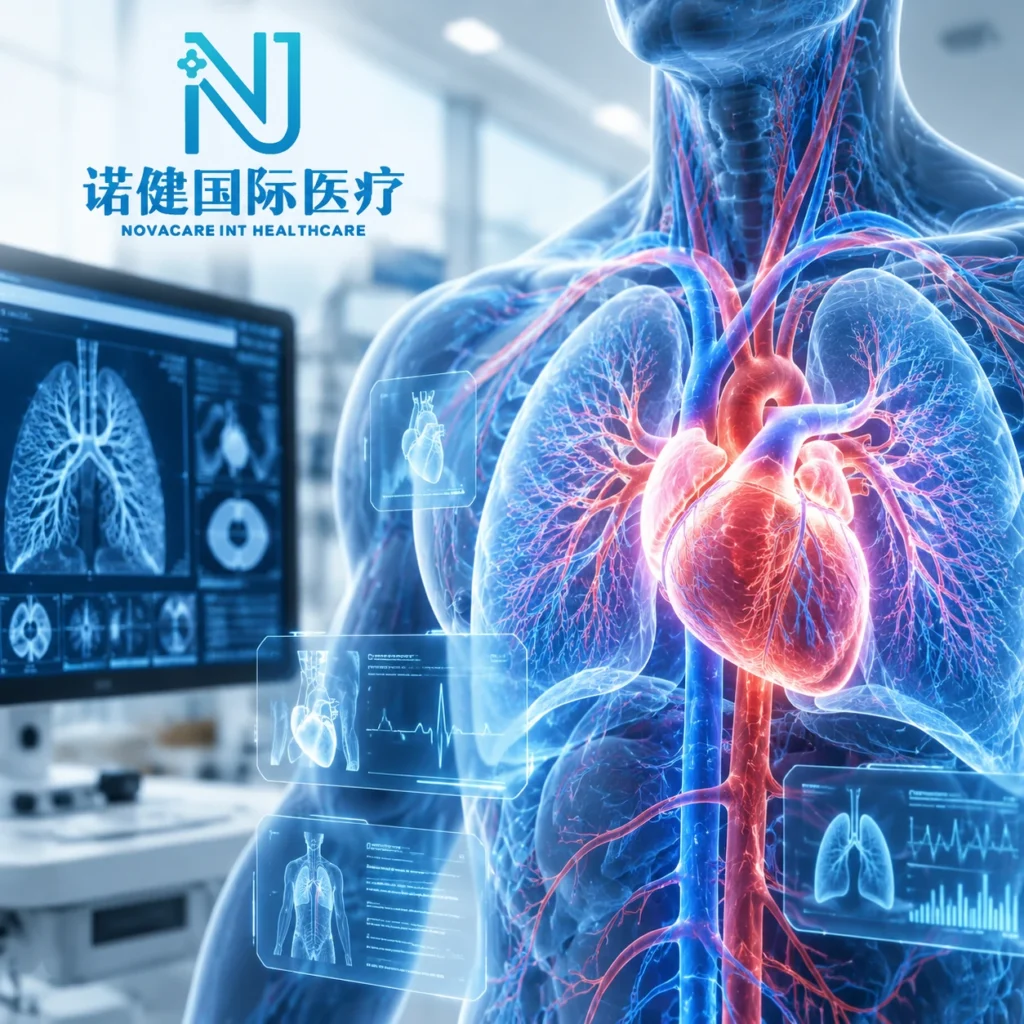
One of the most frustrating experiences in modern healthcare is feeling physically unwell but being told that your test results are “perfectly normal.” Many executives, frequent travelers, and high-stress professionals frequently experience episodes of chest pressure and air hunger. They visit the hospital, undergo standard electrocardiograms (ECGs) and basic blood tests, and are sent home with a clean bill of health.
However, persistent unexplained chest tightness and shortness of breath symptoms should never be ignored. Often, the true culprit is hiding beyond the reach of standard diagnostics, deep within the microscopic networks of the cardiopulmonary system.
1. Recognizing the Warning Signs
When we talk about cardiopulmonary decline, we are not necessarily referring to a sudden heart attack. The early warning signs are far more subtle and progressive. Patients typically report:
- Intermittent Chest Pressure: Not a sharp, localized pain, but rather a heavy, restrictive sensation across the chest, especially during periods of high stress.
- Air Hunger: A feeling of not being able to take a satisfying, deep breath, even after mild exertion or emotional excitement.
- Chronic Fatigue and Poor Sleep: Waking up exhausted, driven by a lack of optimal oxygen delivery to the body’s tissues overnight.
2. The Hidden Culprit: Microcirculation Disorders
If the major arteries of the heart are clear on a standard angiogram, why do the symptoms persist? The answer often lies in Microvascular Dysfunction (microcirculation disorders).
The heart and lungs rely on a vast, microscopic web of capillary vessels to deliver oxygen and nutrients to tissues. Standard imaging techniques only visualize the “highways” (large arteries). They cannot see the “local roads” (the microvasculature). When the inner lining of these tiny vessels (the endothelium) becomes damaged, stiff, or prone to spasms, the heart muscle and lung tissues suffer from chronic, low-grade ischemia (lack of blood flow and oxygen). This invisible cellular starvation is what triggers the physical sensation of chest tightness.
3. Early Cardiopulmonary Decline and Genetic Vulnerability
Why do some people develop microvascular issues in their thirties or forties while others remain healthy into old age? The underlying drivers are often genetic and metabolic:
- Metabolic Toxicity: Prolonged exposure to sub-clinical high cholesterol, high blood sugar, and high uric acid damages the delicate vascular endothelium over time.
- Genetic Predispositions: Certain individuals carry inherited genetic mutations related to blood coagulation, endothelial nitric oxide production, or inflammatory responses, making their micro-vessels hyper-reactive to stress.
4. Why Standard Health Screenings Miss the Mark
Routine corporate physicals are designed to catch late-stage diseases—not to optimize health or detect microscopic functional decline. A resting ECG only captures the electrical activity of the heart at a single moment of absolute rest. Basic lipid panels fail to measure oxidized LDL or specific inflammatory biomarkers that actively destroy capillaries. To uncover the root cause of these elusive symptoms, a more sophisticated diagnostic approach is required.
5. The Solution: High-End Checkups and Genetic Testing
For individuals experiencing unexplained chest tightness and shortness of breath symptoms, transitioning from basic physicals to High-End Checkups is essential.
Advanced medical screening programs look deeper into human biology:
- Advanced Cardiovascular Imaging: Utilizing specialized protocols to assess endothelial function, arterial stiffness, and microvascular blood flow.
- Comprehensive Genetic Testing: Utilizing whole-genome sequencing and multi-omics analysis to map out hereditary cardiovascular risks, pharmacogenomics (medication safety), and metabolic vulnerabilities.
- Metabolic and Immune Profiling: Analyzing inflammatory markers, immune cell function, and cellular aging baselines to create a personalized prevention and recovery roadmap.
6. Elevating Medical Wellness Travel with Novacare
Preventive healthcare is no longer confined to local clinics. Global elites are increasingly combining international travel with premium health management.
Novacare provides an exclusive international patient service desk, connecting global clients and medical facilitators with top-tier High-End Checkup resources in China. We integrate advanced genetic testing, comprehensive cardiopulmonary screening, and regenerative wellness consultations into a seamless medical travel itinerary.
- For Medical Agencies and Facilitators: Enhance your B2B portfolio by offering our white-label High-End Checkup and Genetic Testing packages. Provide your VIP clients with the answers that standard physicals fail to deliver.
- For Patients: If you are seeking clarity on persistent, unexplained health symptoms, contact our patient desk to structure a customized diagnostic and wellness route.
Disclaimer: This article is for educational purposes only and does not constitute medical advice. Unexplained chest tightness or shortness of breath can be signs of a medical emergency and should be evaluated by a licensed physician immediately.