Каковы симптомы легочной гипертензии? Ранние признаки и правожелудочковая недостаточность
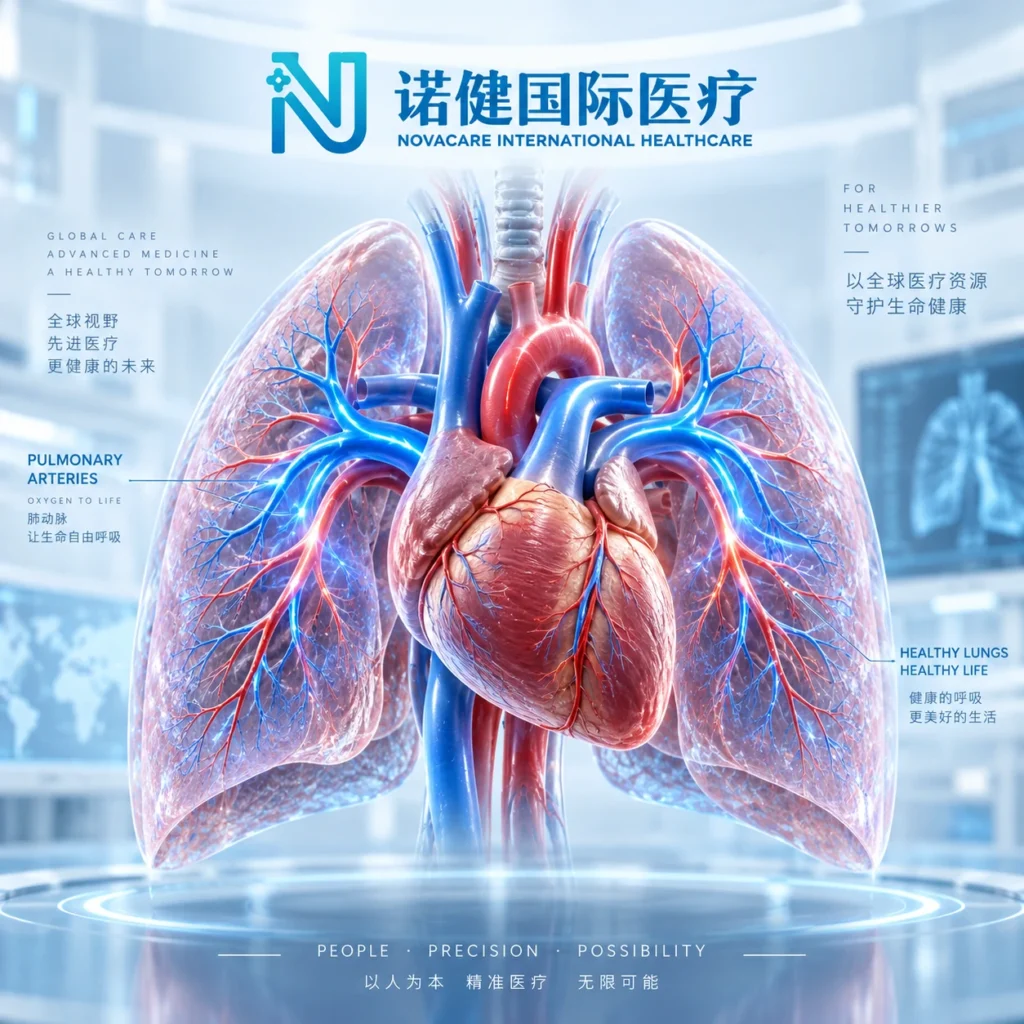
Pulmonary hypertension (PH) is often described as a “hidden killer” in the cardiovascular world. Unlike standard systemic high blood pressure that can be easily measured with an arm cuff, pulmonary hypertension specifically affects the arteries in your lungs and the right side of your heart.
Because the disease progresses silently, the initial symptoms of pulmonary hypertension are frequently mistaken for normal aging, asthma, or lack of fitness. Understanding these early warning signs and recognizing the progression toward right heart failure is critical for timely intervention and exploring advanced restorative treatments, such as cell therapy.
1. Early Symptoms of Pulmonary Hypertension: Recognizing the Red Flags
In the initial stages, the blood vessels in the lungs become stiff, narrowed, or blocked. This forces the right ventricle of the heart to work significantly harder to pump blood through the lungs. The earliest signs are often subtle:
- Shortness of Breath (Dyspnea): This is the most common early symptom. Initially, it may only happen during exercise or climbing stairs. As the condition worsens, shortness of breath can occur even while resting.
- Chronic Fatigue and Weakness: Because the lungs struggle to oxygenate the blood efficiently, the body’s tissues are deprived of essential oxygen, leading to persistent, unexplained exhaustion.
2. Advanced Symptoms: The Progression to Right Heart Failure
If pulmonary hypertension is left untreated, the right side of the heart eventually becomes enlarged and weakens from the constant strain—a condition known as cor pulmonale (right-sided heart failure). At this stage, the symptoms of pulmonary hypertension become severe and life-threatening:
- Chest Pain or Pressure: Often mimicking a heart attack, this pain occurs because the right ventricle is deprived of oxygen due to immense workload.
- Dizziness and Syncope (Fainting): Sudden drops in blood oxygen levels during physical exertion can cause lightheadedness or passing out, a major red flag requiring immediate medical attention.
- Edema (Swelling): As the right heart fails to pump effectively, fluid backs up into the venous system. Patients will notice significant swelling in their ankles, legs, and eventually the abdomen (ascites).
- Bluish Lips and Skin (Cyanosis): A direct visual indicator of dangerously low oxygen levels in the bloodstream.
3. Why Is Early Diagnosis Crucial?
The primary tragedy of pulmonary hypertension is delayed diagnosis. By the time a patient presents with severe edema and fainting spells, significant and sometimes irreversible remodeling of the pulmonary blood vessels has already occurred. While standard pharmacological treatments (such as targeted vasodilators) can help dilate the blood vessels and manage symptoms, they often reach a clinical ceiling and cannot reverse the underlying vascular damage.
4. Exploring Advanced Interventions: The Future of Cell Therapy in PH
As medical science searches for ways to halt or reverse the progression of this disease, cellular therapies have emerged as a groundbreaking frontier.
Advanced cell therapy, particularly utilizing mesenchymal stem cells (MSCs), targets the root cause of the vascular damage. Instead of merely relaxing the blood vessels, administered cells can migrate to the injured pulmonary endothelium (the inner lining of the blood vessels). Through paracrine signaling and the release of anti-inflammatory exosomes, cell therapy helps to:
- Repair damaged pulmonary vascular tissues.
- Modulate the hyperactive immune response that causes vessel thickening.
- Improve right ventricular function by reducing the overall pulmonary vascular resistance.
For patients experiencing the exhausting limitations of conventional PH treatments, cellular wellness programs offer a new horizon for cardiopulmonary recovery.
5. Navigating Advanced Cardiovascular Care with Novacare
Accessing cutting-edge treatments like regenerative cell therapy requires precise medical coordination and access to specialized global centers.
Novacare serves as a professional international patient service desk, helping global medical tourism agencies and international patients connect with top-tier cellular therapy and cardiovascular resources in China. We assist in structuring complex medical records—including echocardiograms, right heart catheterization data, and imaging files—to prepare a clear clinical inquiry for specialist review.
- For Medical Agencies: Enhance your inbound medical services by partnering with us to offer advanced cellular therapy consultations for cardiopulmonary conditions.
- For Patients and Families: If you are seeking advanced interventions beyond standard medications, contact our patient desk to submit your medical records for a structured clinical pathway review.
Disclaimer: This article is for informational purposes only and does not constitute medical advice. Symptoms of pulmonary hypertension should be evaluated immediately by a medical professional. The suitability of cell therapy depends entirely on individualized evaluation by licensed physicians.