What Are Patent Foramen Ovale (PFO) Symptoms? The Link Between Unexplained Migraines and Stroke
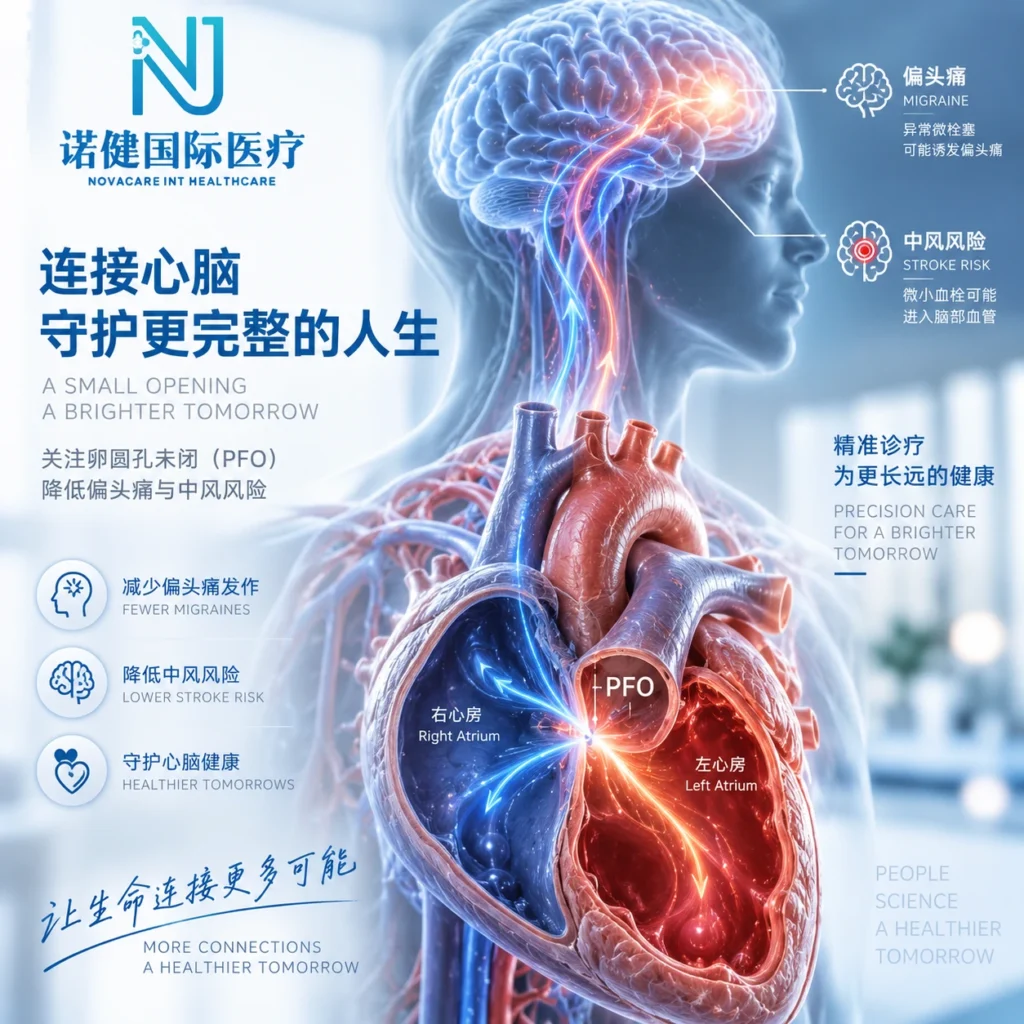
For approximately 25% of the adult population, a hidden anatomical secret resides in the heart: a Patent Foramen Ovale (PFO). Before birth, every human fetus has a small flap-like opening between the upper chambers of the heart (the atria) to allow blood to bypass the inactive lungs. Usually, this hole seals itself shortly after birth. When it fails to close, it is known as a PFO.
For most people, a PFO is a harmless anomaly that requires no treatment. However, for a significant subset of individuals, this tiny opening acts as a hidden gateway, leading to severe and puzzling health issues. Understanding Patent Foramen Ovale symptoms is critical, as they rarely manifest in the heart itself—they typically strike the brain.
1. Are There Direct Patent Foramen Ovale Symptoms in Adults?
One of the most dangerous misconceptions about PFO is that it will cause chest pain, shortness of breath, or a noticeable heart murmur. In reality, a PFO is structurally silent.
Because the hole is usually small and acts like a one-way valve, there are virtually no direct cardiac symptoms of a PFO in daily life. Instead, the true Patent Foramen Ovale symptoms are secondary—they occur when unwanted substances pass through this hole and travel to the brain.
2. The Hidden Link: PFO and Unexplained Migraines
A growing body of clinical evidence has linked PFOs to severe, chronic migraines—specifically “migraines with aura” (migraines preceded by visual disturbances like flashing lights or blind spots). But how does a hole in the heart cause a headache?
Normally, the venous blood returning to the heart is pumped into the lungs, which act as a massive biological filter. The lungs trap and dissolve microscopic blood clots and filter out certain vasoactive chemicals (like serotonin).
However, in patients with a PFO, a portion of the venous blood completely bypasses the lung filter, crossing directly from the right atrium to the left atrium. This allows unfiltered chemicals and micro-emboli to travel straight to the brain, triggering the intense neurovascular reaction known as a migraine.
3. The Ultimate Danger: Cryptogenic Stroke
The most severe risk associated with a PFO is a cryptogenic stroke—a stroke that occurs in young, otherwise healthy individuals without any obvious risk factors like high blood pressure, diabetes, or severe atherosclerosis.
This devastating event is driven by a mechanism known as a “paradoxical embolism.” A blood clot that forms in the veins of the legs (often due to prolonged sitting or travel) breaks loose and travels to the heart. Instead of being safely filtered out in the lungs, the clot slips through the PFO, enters the arterial blood supply, and shoots directly into the brain, where it blocks a cerebral artery.
4. How Is PFO Detected? The Importance of High-End Checkups
Because a PFO does not usually produce a heart murmur, standard physical exams and routine electrocardiograms (ECGs) will completely miss it. Identifying a PFO requires advanced diagnostic imaging typically reserved for high-end medical screenings.
- TCD Bubble Study (Transcranial Doppler): A specialized test where agitated saline (containing microscopic bubbles) is injected into an IV. An ultrasound monitor on the patient’s head tracks if these bubbles bypass the lungs and reach the brain arteries.
- Transesophageal Echocardiogram (TEE): An advanced ultrasound probe gently passed down the esophagus to capture highly detailed, close-up images of the heart’s atria and confirm the size and structure of the PFO.
For executives, frequent flyers, and individuals with a history of severe migraines or a family history of unexplained strokes, incorporating these specific tests into an annual health baseline is a life-saving investment.
5. Advanced Cardiovascular Screening and Medical Travel with Novacare
Detecting and managing hidden cardiovascular risks requires access to top-tier diagnostic equipment and multidisciplinary expert evaluation.
Novacare specializes in organizing High-End Checkup and international wellness programs in China. We structure comprehensive health screening routes that go far beyond standard physicals, encompassing advanced neurovascular imaging, PFO bubble studies, and metabolic baseline management.
- For International Patients: If you suffer from unexplained migraines or want a definitive cardiovascular risk assessment, contact our patient desk to structure a customized high-end checkup itinerary.
- For Medical Agencies & Partners: Enhance your medical tourism portfolio by partnering with Novacare. We provide B2B agency support for wholesale wellness packages and premium executive health screening programs.
Disclaimer: This article is for informational purposes only and does not constitute medical advice. Symptoms of migraines or stroke require immediate clinical evaluation. Diagnostics and treatment pathways must be determined by a licensed physician.