
Does Ulcerative Colitis Cause Fatality? Symptoms & Advanced Therapies
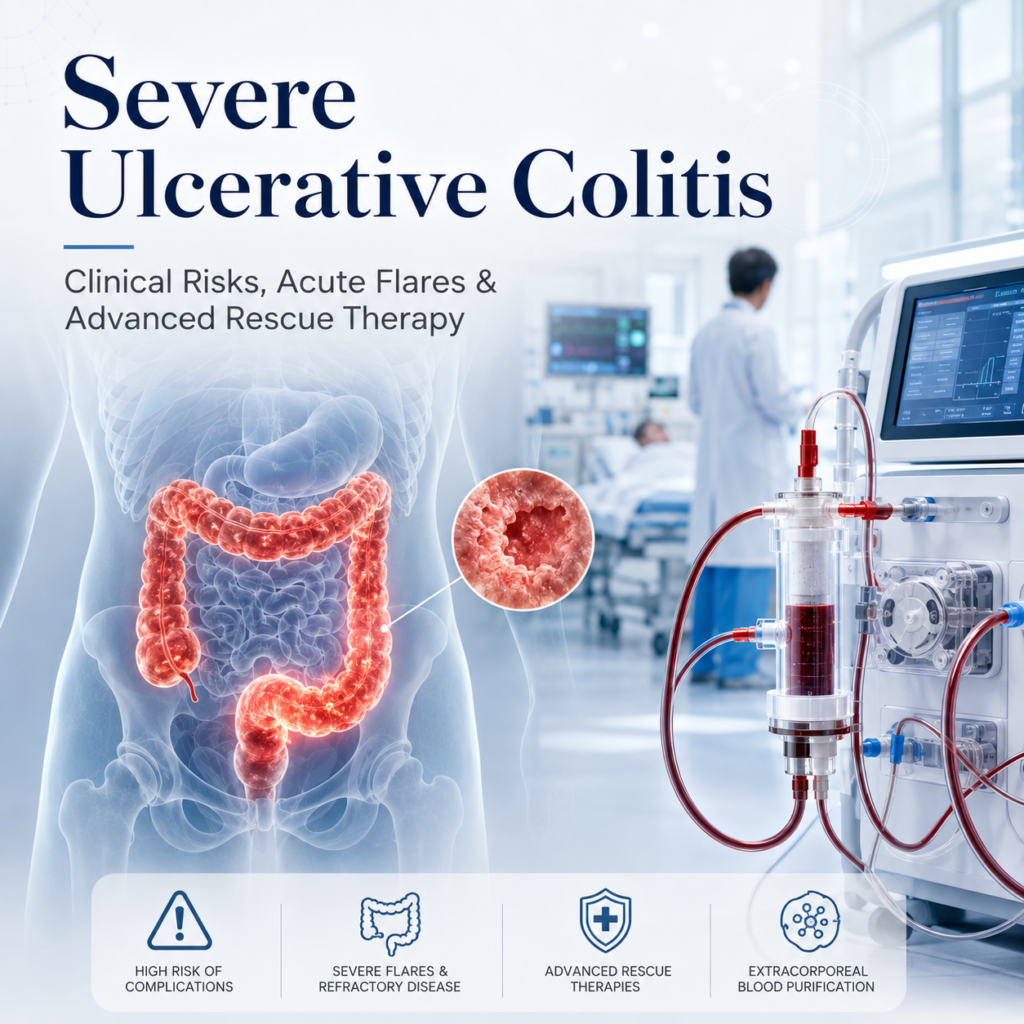
Ulcerative colitis (UC) is a chronic inflammatory bowel disease (IBD) that causes long-lasting inflammation and ulcers in the innermost lining of the large intestine. While millions of people globally manage mild to moderate forms of UC with standard medications, the question that frequently haunts patients and their families during severe flare-ups is: Can ulcerative colitis be fatal?
Understanding the disease’s trajectory, recognizing early warning signs, and exploring advanced rescue interventions—such as selective blood purification therapies—are critical for changing patient outcomes.
What Are the Core Symptoms of Ulcerative Colitis?
The clinical presentation of UC varies depending on the extent and severity of inflammation in the colon. Recognizing symptoms early helps prevent progression into acute severe stages:
- Bloody Diarrhea: Often mixed with blood, pus, or mucus, which is a hallmark sign of mucosal damage.
- Abdominal Cramping & Pain: Severe lower abdominal spasms triggered by bowel contractions and inflammation.
- Rectal Urgency: A frequent, intense, and sudden need to empty the bowels, severely disrupting daily life.
- Systemic Symptoms: Unexplained weight loss, recurring low-grade fever, severe fatigue, and systemic weakness.
Can Ulcerative Colitis Be Fatal? Exploring Severe Complications
Historically and in extreme untreated cases, severe ulcerative colitis can carry life-threatening risks. While modern medical advancements have dramatically lowered mortality rates in specialist centers, acute severe flare-ups can lead to fatal or near-fatal complications if not managed aggressively:
- Toxic Megacolon: A rapid, dangerous widening of the large intestine that can lead to bowel perforation and septic shock.
- Severe Gastrointestinal Hemorrhage: Uncontrolled, massive bleeding from deep mucosal ulcerations.
- Fulminant Colitis: Rapidly worsening systemic inflammation accompanied by high fever, severe dehydration, and metabolic instability.
Why Do Conventional Treatments Sometimes Fail in Severe UC?
Standard UC management typically involves 5-aminosalicylates, corticosteroids, immunomodulators, and biologic therapies. However, approximately 20% to 30% of patients experience steroid-refractory acute severe ulcerative colitis:
- Loss of Response: Over time, patients can develop neutralizing antibodies or lose clinical sensitivity to conventional biologic drugs.
- The Colectomy Dilemma: When medical therapies fail, patients are frequently faced with total colectomy, which significantly alters long-term quality of life.
- The Search for Rescue Strategies: Clinicians worldwide continually seek non-surgical rescue interventions that can rapidly clear circulating inflammatory cytokines without extreme immunosuppressive toxicity.
The Role of Advanced Blood Purification in Managing Refractory UC
In recent clinical developments, extracorporeal blood purification technologies have emerged as powerful supplementary rescue options for refractory UC:
- Targeting Pathogenic Factors: These therapies circulate the patient’s blood through specialized filters to selectively remove activated leukocytes and circulating inflammatory cytokines.
- Breaking the Inflammation Loop: By sharply reducing the downstream release of inflammatory mediators, blood purification helps reset the immune microenvironment.
- Clinical Synergy: In specialized centers, integrating blood purification during acute flare-ups has successfully helped patients regain responsiveness to standard biological agents and avoid emergency surgery.
How Novacare Coordinates Cross-Border Medical Routes
For international patients and families dealing with severe, treatment-resistant conditions, navigating advanced overseas options can be challenging. Novacare acts as a professional international patient service desk:
- Record Structuring: We help organize complex pathology reports, colonoscopy imaging, and medication histories into a clear medical profile.
- Specialist Matching: We coordinate multidisciplinary expert reviews to evaluate whether a patient meets the clinical criteria for advanced rescue protocols.
- B2B Agency Support: We provide transparent, institutional-grade care coordination and visit planning for global medical tourism facilitators.
Disclaimer: This information is for educational purposes and does not constitute medical advice. Final eligibility and treatment plans depend entirely on licensed physician evaluation.